


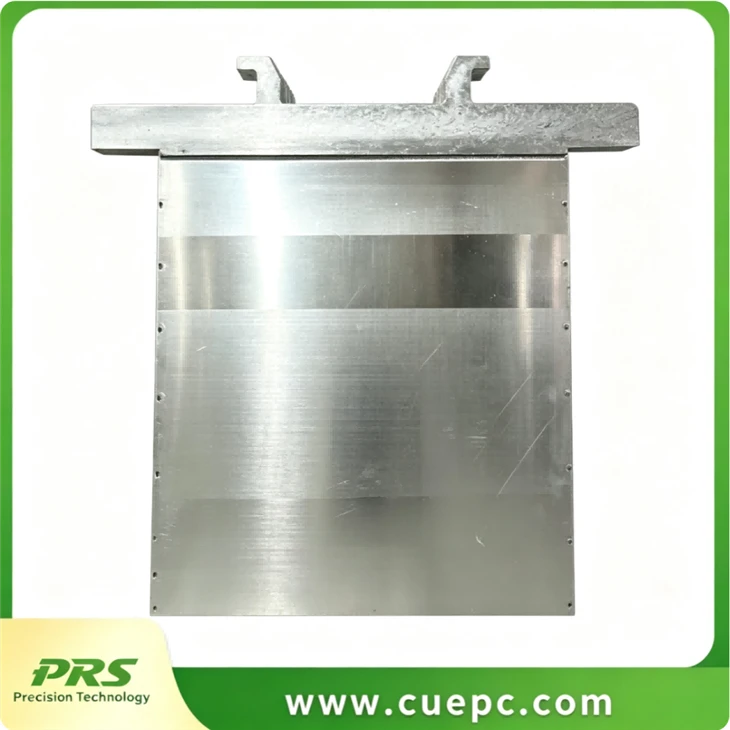

Aluminum Cathode Plate For Ammonia-Based Zinc Electrowinning
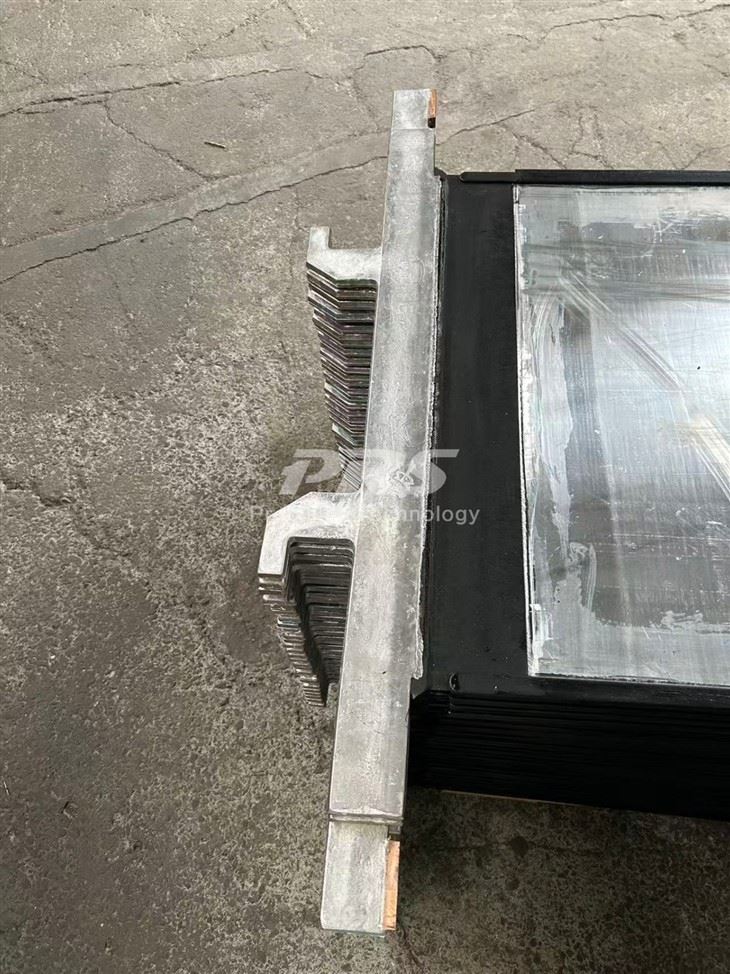
Aluminum Cathode Plate For Ammonia-Based Zinc Electrowinning suppliers
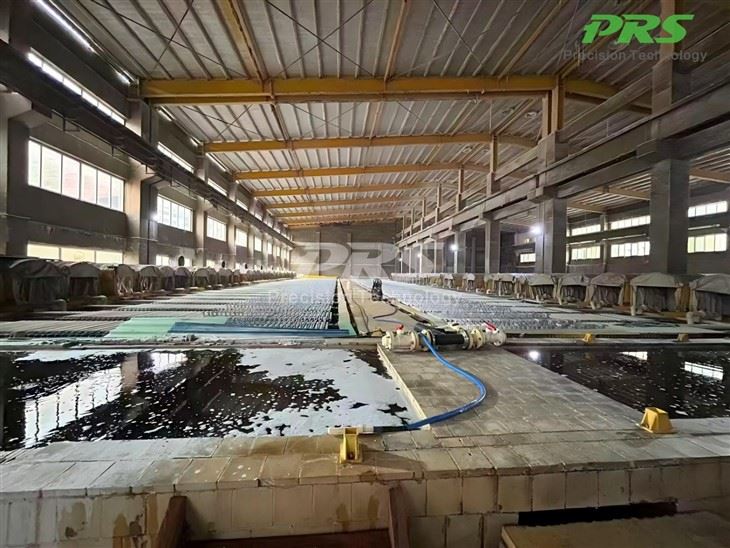
Aluminum Cathode Plate For Ammonia-Based Zinc Electrowinning factory
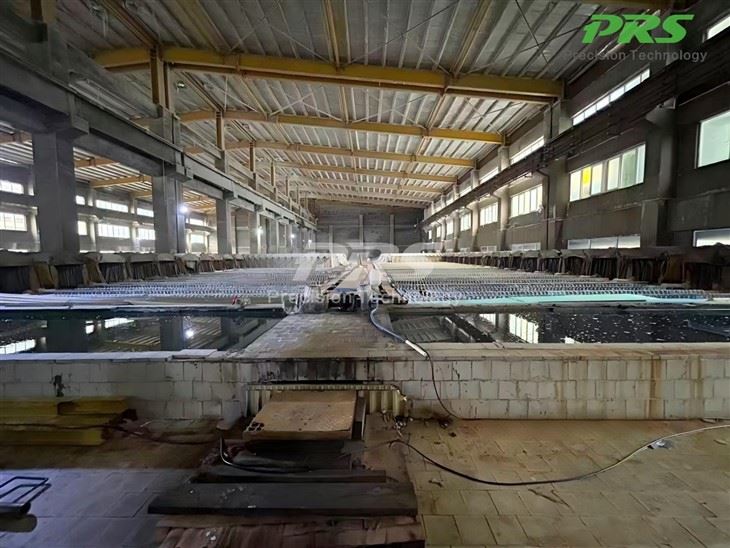
Aluminum Cathode Plate For Ammonia-Based Zinc Electrowinning best
Aluminum Cathode Plate For Ammonia-Based Zinc Electrowinning high quality
Aluminum Cathode Plate For Ammonia-Based Zinc Electrowinning price
Aluminum Cathode Plate For Ammonia-Based Zinc Electrowinning manufacturers
Aluminum Cathode Plate For Ammonia-Based Zinc Electrowinning

Aluminum Cathode Plate for Ammonia-Based Zinc Electrowinning
|
Item |
Specification |
|
Application |
Zinc Electrowinning |
|
Main Material |
Aluminum |
|
Process Compatibility |
Ammonia-based / Chloride-based / Sulfate-based |
|
Conductive Beam |
Integrated conductive beam |
|
Welding |
Robotic welding |
|
Service Life |
Approx. 6–12 months* |
A high-quality aluminum cathode plate is more than an aluminum sheet. Its performance depends on the quality of the base material, conductive connection, welding, corrosion protection and manufacturing control.
For ammonia-based zinc electrowinning, where the cathode operates under demanding electrolyte conditions, these details directly affect current efficiency, zinc deposition and cathode service life.
PRS aluminum cathode plates are designed with an integrated plate and conductive beam structure, robotic welding technology and enhanced corrosion protection to provide stable performance for continuous zinc electrowinning.
Designed for Higher Zinc Production
Electrical conductivity is one of the key factors affecting cathode performance.
Our integrated aluminum cathode plate and conductive beam provide a stable electrical path and help maintain uniform current distribution during operation.
Under the stated operating conditions, a cathode plate with a total deposition area of 1 m² on both sides can produce more than 0.5 kg additional zinc per day per plate compared with conventional cathode plates.
For large zinc electrowinning plants, even a small increase in deposition per plate can translate into significant additional production over a full operating cycle.
Longer Service Life in Ammonia-Based Process
Cathode plates used in an ammonia-based process are exposed to corrosive electrolyte and repeated stripping cycles. The liquid-level area is particularly important because it is subject to electrolyte splashing and long-term corrosion.
PRS cathode plates use targeted corrosion protection around the plate and liquid-level zone to reduce premature damage.
Under suitable operating conditions, the service life can reach approximately 6–12 months, while conventional aluminum cathode plates may typically require replacement after around 1–3 months.
Actual service life depends on electrolyte chemistry, operating conditions, current density and maintenance.
Integrated Construction & Robotic Welding
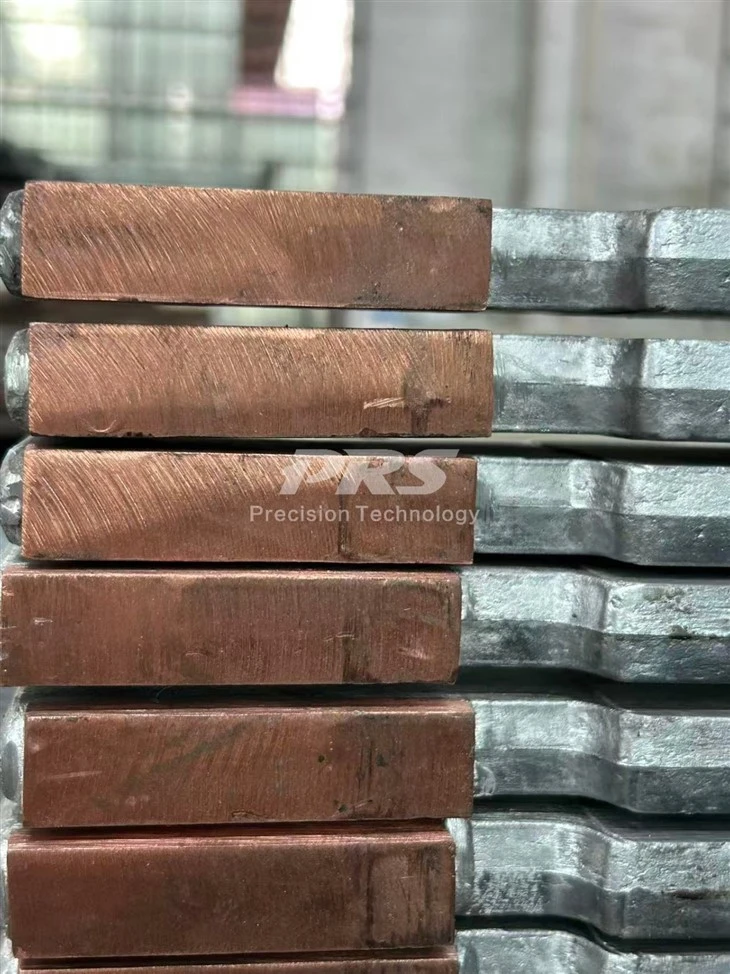
The cathode plate uses an integrated forming structure rather than friction stir welding, combined with a dedicated conductive beam and robotic welding technology.
This construction improves the connection between the aluminum plate and conductive beam, helping the cathode withstand repeated lifting, stripping and handling.
Robotic welding also provides more consistent weld quality and reduces variations between individual cathode plates.

Key Construction Features
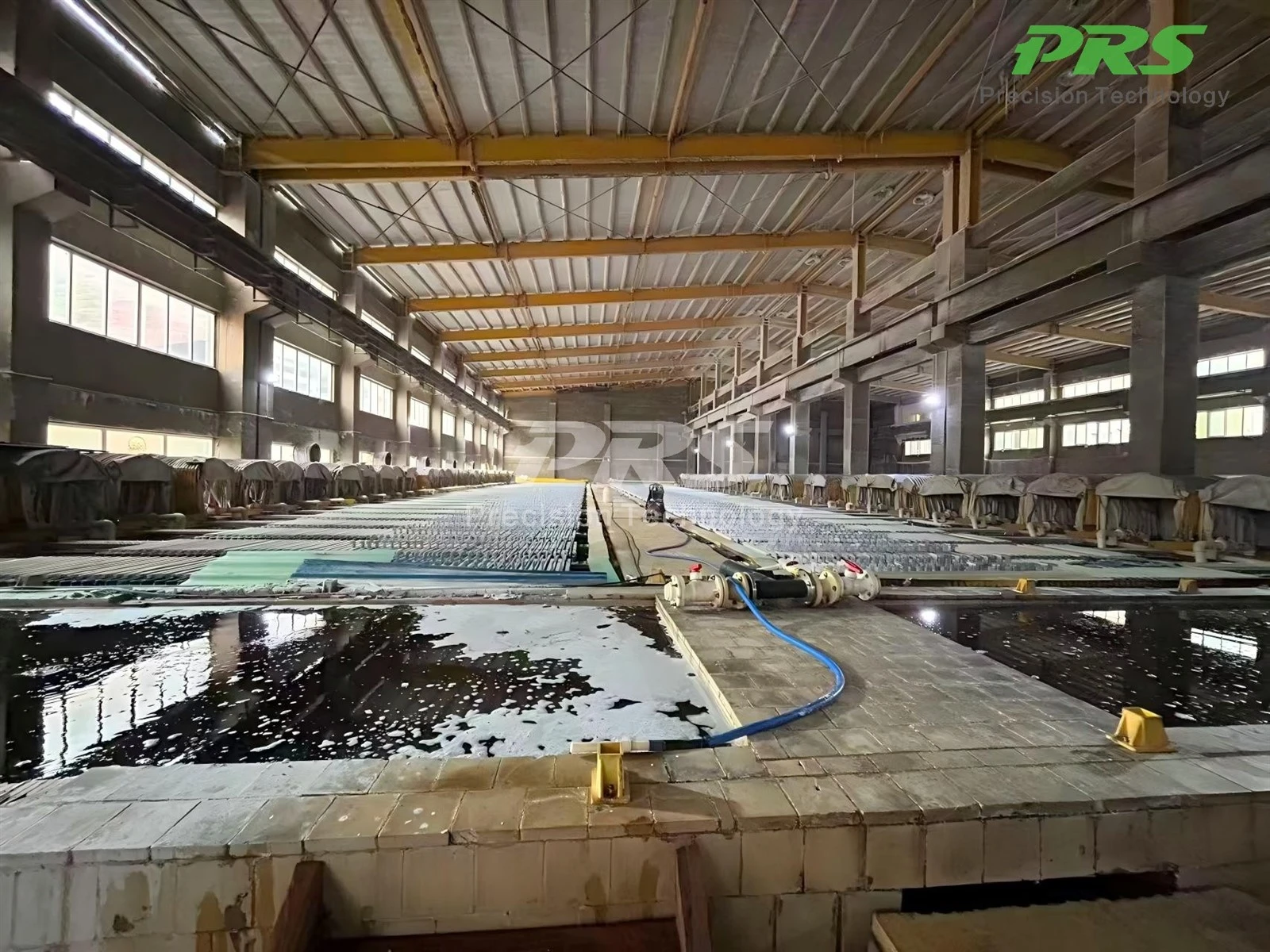
- High-quality aluminum cathode plate
- Integrated conductive beam structure
- Robotic welding
- Enhanced liquid-level corrosion protection
- Stable electrical conductivity
- Designed for repeated stripping cycles
Suitable for Different Zinc Electrowinning Processes
The cathode plate can be supplied for different zinc electrowinning process conditions, including:
- Ammonia-based process
- Chloride-based process
- Sulfate-based process
For new plants and replacement projects, dimensions, conductive beam configuration and welding details can be customized according to the existing cell design and operating requirements.
Space-Saving Packing for Lower Freight Cost
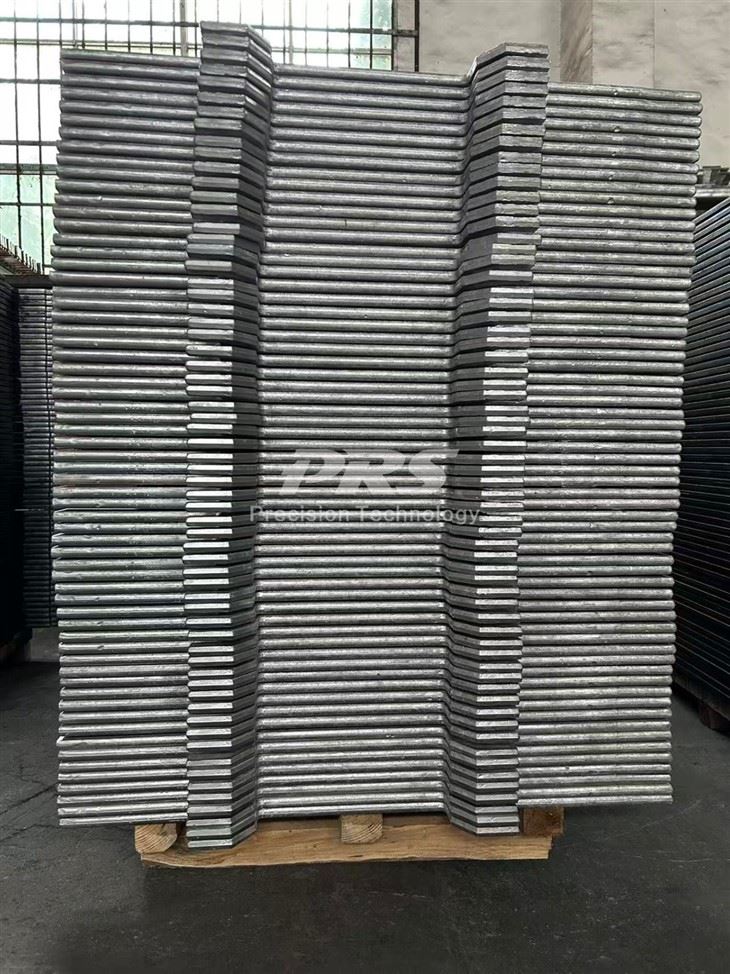
The cathode plates are packed in a staggered arrangement to make better use of pallet space.
A single pallet can accommodate up to 125 cathode plates, depending on the plate specification. This packing method reduces package volume and can help lower transportation costs, particularly for long-distance and overseas shipments.
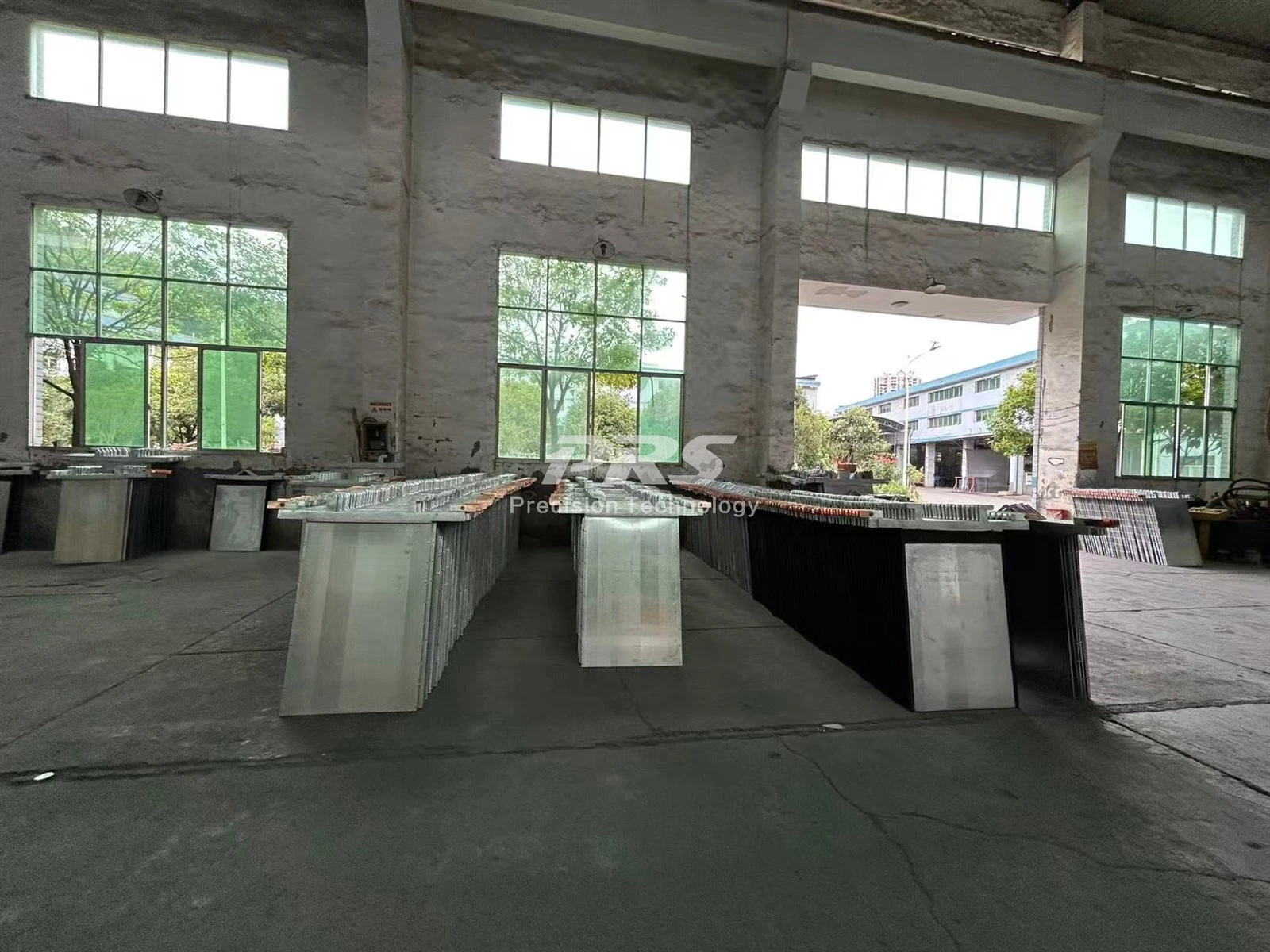
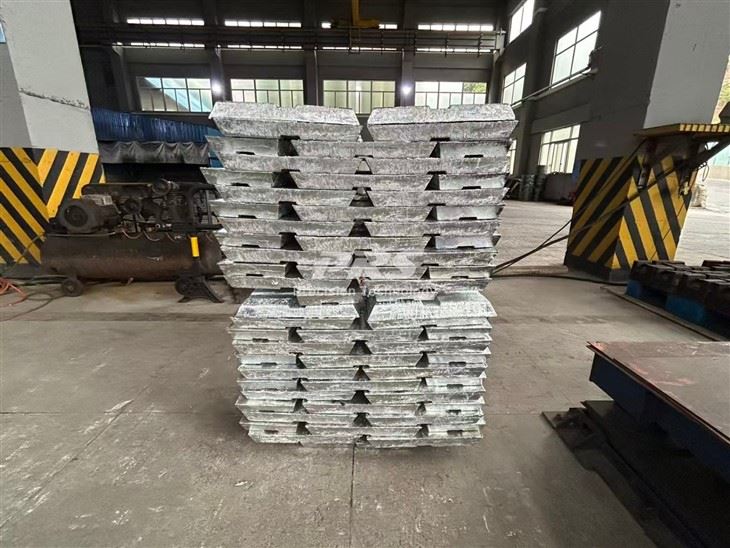
Aluminum Cathode Plates On-Site Photos




Frequently Asked Questions (FAQ)
Q1. What process are these aluminum cathode plates used for?
They are designed for zinc electrowinning, including ammonia-based, chloride-based and sulfate-based processes.
Q2. How long can the cathode plates be used?
For ammonia-based zinc electrowinning, the service life can reach approximately 6–12 months under suitable operating conditions.
Q3. What welding technology is used?
PRS uses robotic welding technology to provide consistent and reliable connections between the cathode plate and conductive beam.
Q4. Can the cathode plate be customized?
Yes. Dimensions, conductive beam configuration and other details can be customized according to the customer's electrolytic cell and process requirements.
Q5. How are the cathode plates packed for shipment?
The plates are arranged in a staggered packing configuration, with up to 125 plates per pallet depending on the specification, helping reduce shipping volume and freight costs.
Hot Tags: aluminum cathode plate for ammonia-based zinc electrowinning, China aluminum cathode plate for ammonia-based zinc electrowinning suppliers, 316L Stainless Steel Cathode, LDX 2101 Stainless Steel Cathode, Permanent Cathode, SS 316L Cathode, Stainless Steel Cathode, Titanium Cathode
You Might Also Like




Send Inquiry