


1. Introduction
In copper electrorefining and electrowinning plants, the cathode is a key component that determines the quality of deposited copper, power consumption and production efficiency. The industry mainly relies on two cathode approaches: the traditional copper starter sheet, and the modern permanent cathode represented by stainless steel cathode plates. Drawing on starter sheet embossing, shearing and riveting equipment documentation and cathode plate technical data, this article reviews the structure, capital cost, operating performance and applicable conditions of each approach to support equipment selection and process planning.
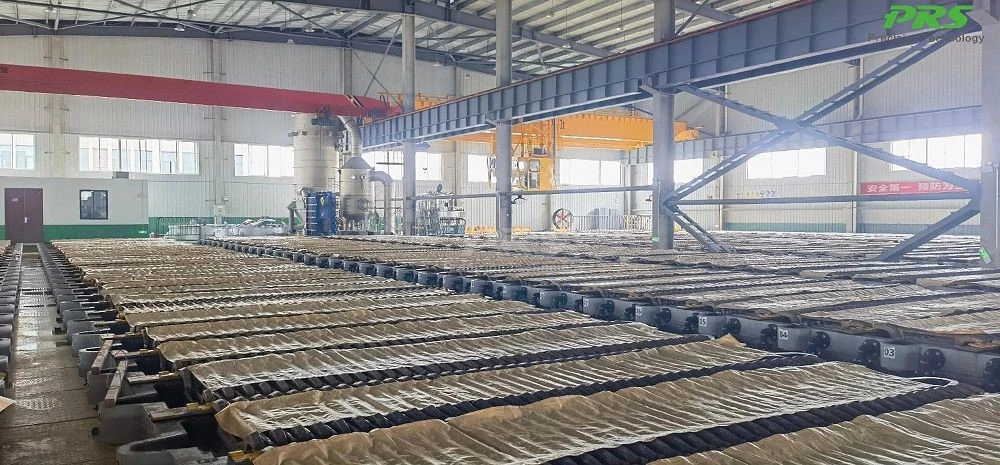
Figure 1 A wide view of the cell lines in a copper tankhouse
2. What Is a Starter Sheet?
A starter sheet is a thin copper sheet that serves as the cathode substrate during copper electrolysis. Copper ions deposit on its surface; once the deposit reaches the required thickness, the sheet is lifted from the cell and stripped to produce cathode copper. Conductive lugs are fitted to the top of the starter sheet for hanging on the busbar and carrying current. The lugs must be firmly and conductively bonded to the sheet body to avoid excessive contact resistance, local heating or uneven deposition.
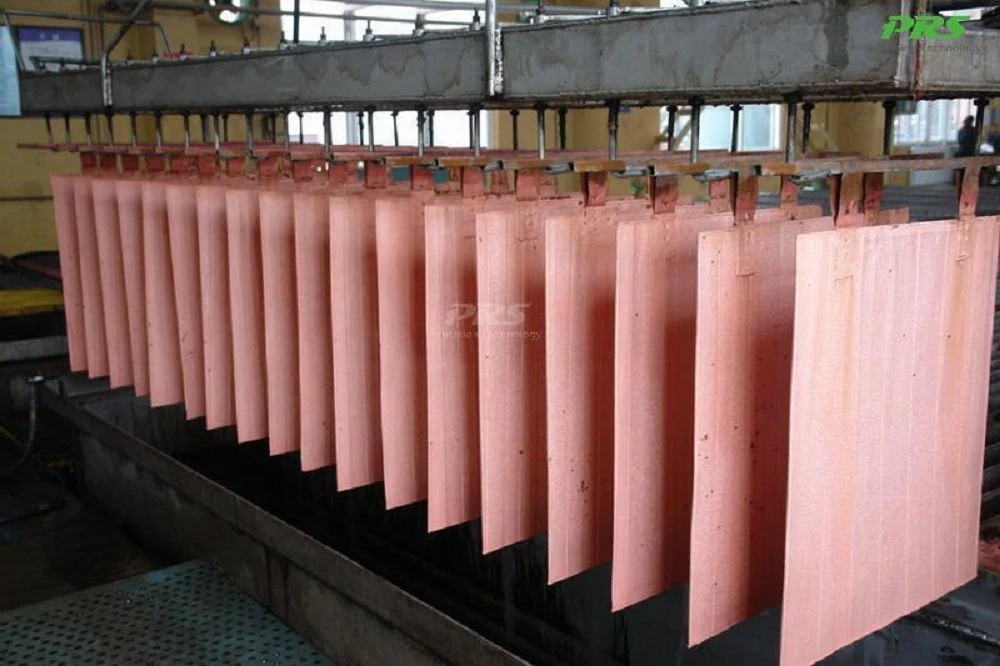
Figure 2 starter sheet hung in parallel
3. How a Quality Starter Sheet Is Made: Embossing, Rotary Shearing and Lug Riveting
A qualified starter sheet goes through straightening, lug preparation and riveting processes. The three special-purpose machines below correspond to the core stages of a starter sheet production line.
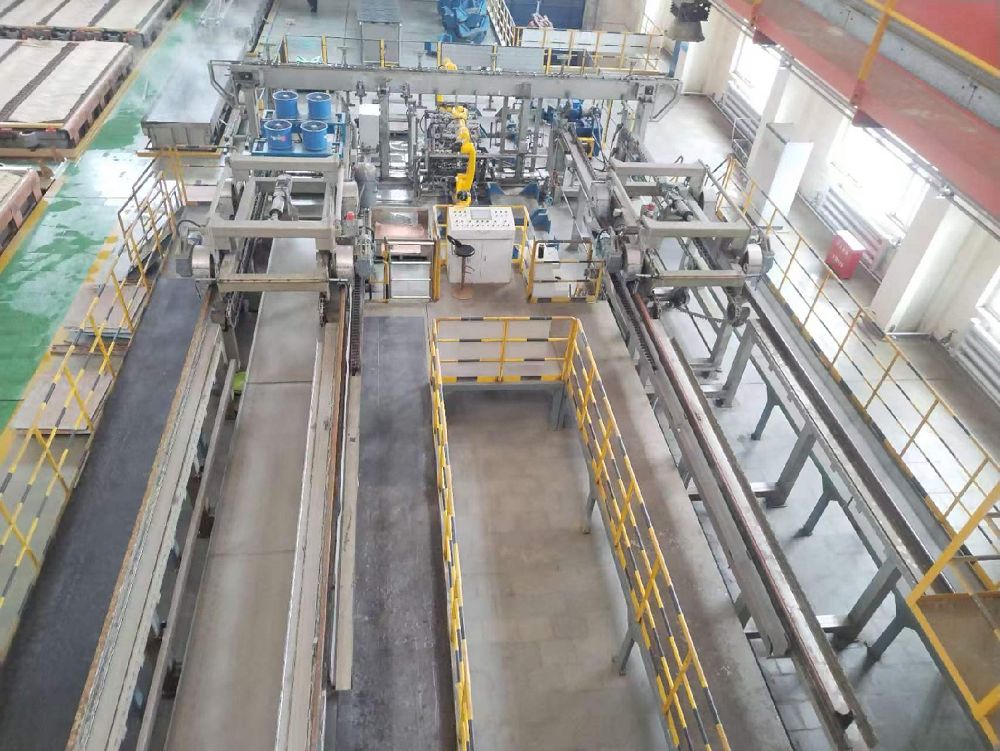
Figure 3 Plate conveying and mechanised handling area at a PRS project site
3.1 Embossing and Straightening
The embossing machine consists of an embossing unit and an electrical control unit. A motor and reducer drive a pair of flat rollers and a pair of embossing rollers through a chain. The starter sheet enters from the flat-roller side, is rolled flat first, and then passes into the embossing rollers. The raised and recessed patterns of the upper and lower embossing rollers are aligned, pressing neat stepped straight lines onto the sheet so that it becomes straight and flat. The gap between the rollers is adjustable, allowing embossing pressure and depth to be controlled according to production conditions; synchronous gear transmission keeps the rollers rotating in step. The embossed starter sheet emerges flat, straight and visually uniform.
3.2 Rotary Shearing of Lugs
The lug rotary shearing machine prepares starter sheet lugs before riveting. The process has three stages - manual feeding, rotary shearing and discharge: the operator places the sheet in position, the upper and lower rotary blades cut it into uniform, burr-free pieces, and a flattening roller then levels them into qualified lugs for the next process. Sheared lugs are flat, burr-free and dimensionally consistent, which greatly improves workshop efficiency and product quality. Compared with the first-generation model, the new machine has a larger motor, larger flattening roller diameter and an improved blade manufacturing process, giving longer blade life and higher overall reliability.
3.3 Lug Riveting
The lug riveting machine comprises a riveting unit, a flattening unit, a hydraulic unit and an electrical control unit, forming a complete closed-force frame. After the starter sheet is manually fed to the riveting position, the operator presses the foot switch and the cylinder solenoid valve starts the program: hydraulic thrust clamps the sheet and lug together, the punching punch cuts a 16×16 mm square hole in the overlap and turns the material inside the hole through 90°, and the lower riveting punch then descends to rivet and flatten the turned edge before all components return to their home positions for the next cycle. The machine is PLC-controlled; its hydraulic station uses a gear pump, stack-type solenoid directional valves, double one-way throttle valves and an electromagnetic relief valve, making the unit compact and reliable. Riveting is firm and accurately positioned, and the machine is simple to operate and maintain.
4. Benefits of Using Quality Starter Sheets
With the above processes, well-made starter sheets deliver the following benefits to an electrolysis plant:
Flat and straight plate surface: embossing and straightening remove warpage and unevenness; uniform sheet spacing supports current distribution and deposit surface quality.
Flat, burr-free, dimensionally consistent lugs: standardized lugs seat properly in the cell with stable contact, reducing poor contact caused by burrs or dimensional deviation.
Firm, accurate riveting: a reliable lug-to-sheet bond keeps contact resistance low in the conductive path, reducing local heating and loosening.
Higher product quality and efficiency: the equipment line is highly automated, runs efficiently and costs little to maintain, helping lower production cost and improve both product quality and workshop output.
Easy stripping and recovery: the copper-based starter sheet and deposited copper are alike in material, so stripping is straightforward under standard practice and the cathode copper surface stays clean.
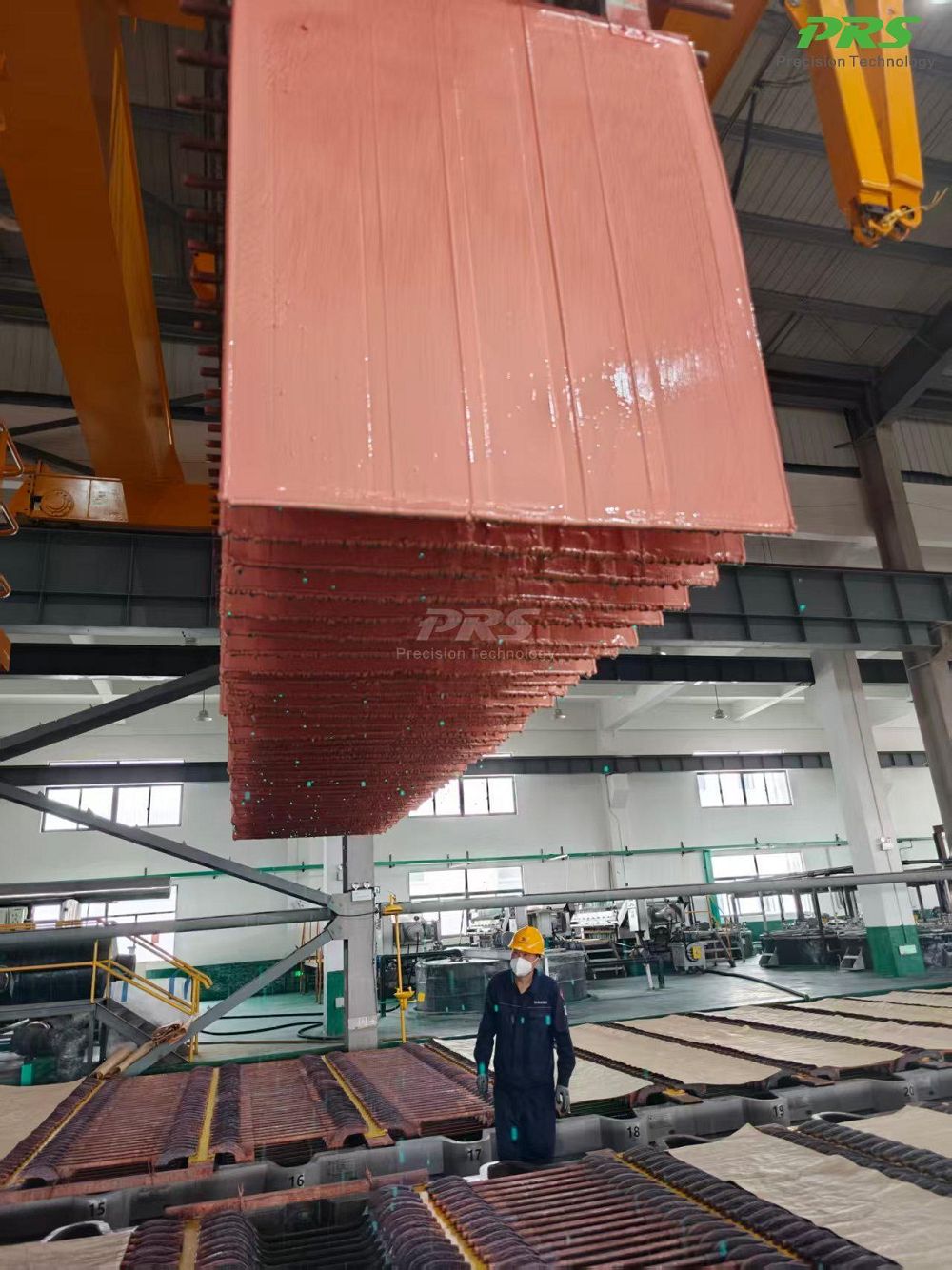
Figure 4 Cathode copper lifted out of the cells
5. Stainless Steel Cathode Plates: The Permanent Cathode Option
Unlike single-use copper starter sheets, stainless steel cathode plates are permanent cathodes: after deposition the copper shell is stripped off, the plate is cleaned and reused, and the plates are designed for roughly 5–8 years of repeated service, eliminating the entire starter sheet manufacturing step. SS316L plates offer better conductivity with slightly lower cell voltage and power consumption in low-chloride conditions; copper strips easily and suits standard stripping equipment; and purchase cost is relatively manageable with good cost-effectiveness. Note, however, that such plates are prone to pitting in electrolyte with higher chloride concentration, and long-term corrosion can release iron, nickel and chromium, creating a risk of contaminating the cathode copper.
6. Start Sheet Process vs. Stainless Steel Cathode Plates
Table 1 Start sheet process vs. stainless steel cathode plates
|
Dimension |
Start sheet process |
Stainless steel cathode |
|
Cathode material |
High-purity copper starter sheets (Cu refining) ; consumed once per cycle |
Stainless steel permanent plates, designed for about 5–8 years of reuse |
|
Capital investment |
Lower, with simpler equipment |
Higher |
|
Cathode cycle |
Long, typically 10–14 daysOnly 1 day |
Short, 67–8 days |
|
Main advantages |
Low capital cost; mature process with cheap spares; slightly lower DC power use |
No starter sheet steps and aA shorter flow; high labour productivity; high current density; low manpower required metal inventory; consistent cathode cathode quality; higher automation |
|
Main constraints |
Many steps and high labour intensity; long cathode cycle; more short circuits; slightly higher steam used |
High upfrontinvestment cost initially; slightly higher DC power use; plate recycling |
|
Best fit |
Small Electrolysis Plant smelters and retrofits |
New lMedium and Large-scale Electrolysis Plant, In Manpower Expensive Countriesiressmelters and automated lines |
Note: The comparison above is compiled from the company's starter sheet and cathode plate technical data as a reference for option comparison in copper electrolysis plants.
7. How to Choose
Starter sheets and permanent cathodes are not mutually exclusive. The choice should weigh electrolyte composition, stripping equipment, capital budget, plant capacity and product purity requirements:
For lines using the traditional copper starter sheet process, the quality of embossing, shearing and riveting directly determines surface flatness, lug consistency and conductive reliability - the key stages for improving quality and output.
For permanent cathode operations, plants in low-chloride conditions with standard stripping equipment may favor SS316L stainless steel plates; systems with higher chloride concentration require separate evaluation of more chloride-resistant plate materials.
From an investment and operating standpoint, the starter sheet route has lower upfront cost and a mature process, suiting small and mid-sized smelters and retrofits; the permanent cathode option costs more upfront but offers a shorter flow, higher labour productivity and greater automation, making it better suited to new large-scale copper smelters and automated lines.
8. Conclusion
Quality starter sheets provide a stable conductive substrate for deposition through flat surfaces, consistent lugs and firm riveting, with low upfront investment and a mature process; stainless permanent cathode plates stand out for reusability, a shorter flow and higher labour productivity and automation, with clear advantages in low-chloride conditions. By clarifying one's own electrolyte conditions, plant capacity, capital budget and quality goals, and then comparing the applicability limits of both approaches, a plant can select the cathode solution that fits its operation best.
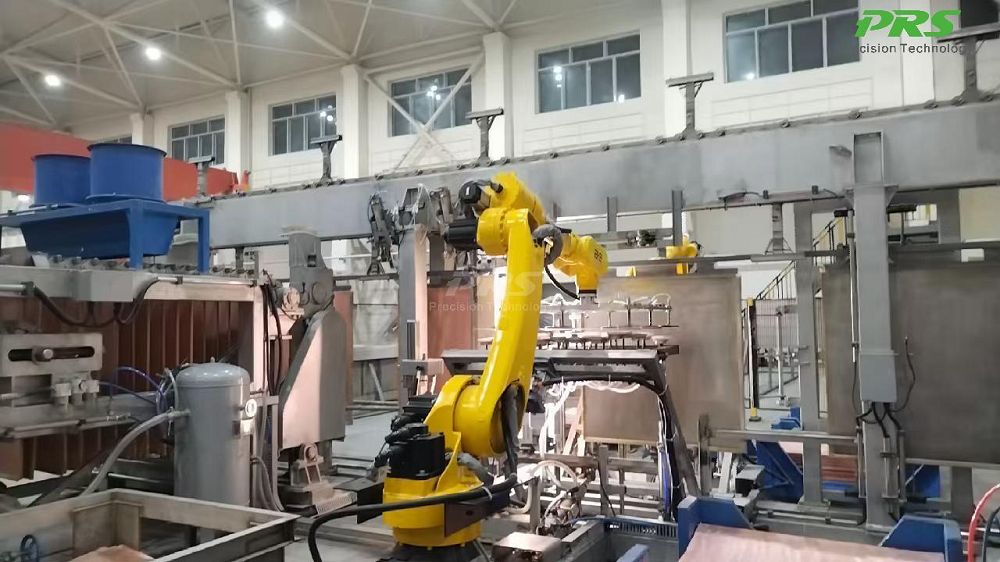
Figure 5 Automated plate handling at a PRS project site


