

Hey there! As a geomembrane supplier, I've seen firsthand how various factors can really affect the cost of geomembranes. So, let's dive right in and explore what those factors are.
Material Quality
One of the biggest factors that influence the cost of geomembranes is the quality of the material. High - quality materials are more expensive, but they also offer better performance and durability. For example, HDPE (High - Density Polyethylene) is a popular choice for geomembranes. When you're looking for a reliable option, HDPE Smooth Geomembrane is a great product. It's made from top - notch HDPE, which means it can withstand harsh environmental conditions, resist chemical corrosion, and has a long service life.

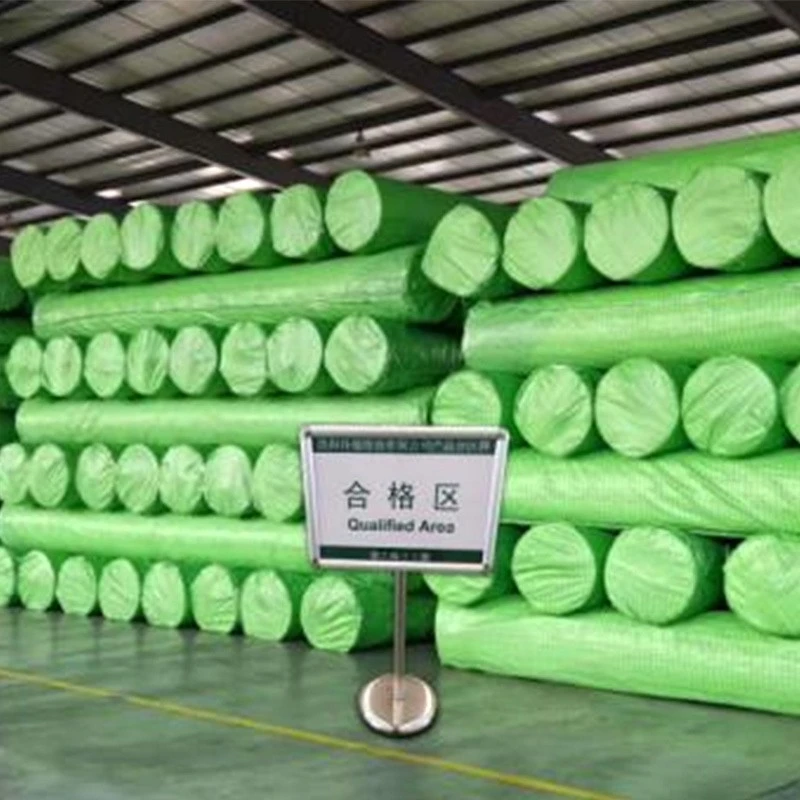
On the other hand, lower - quality materials might be cheaper upfront, but they can end up costing you more in the long run. They may not be as strong, and you might have to replace them more frequently. So, if you're thinking about the long - term cost - effectiveness, it's usually worth investing in high - quality geomembranes.
Thickness
The thickness of the geomembrane also plays a significant role in determining its cost. Thicker geomembranes generally cost more than thinner ones. This is because more material is used to make them, and they often offer better protection. A thicker geomembrane can provide greater resistance to punctures, tears, and other forms of damage.
For instance, in applications where there's a high risk of physical damage, like in landfill liners or mining operations, a thicker geomembrane is usually required. However, if the application doesn't demand such high - level protection, a thinner geomembrane might be a more cost - effective choice. You need to carefully assess your project requirements to decide on the appropriate thickness.
Size and Dimensions
The size and dimensions of the geomembrane you need can have a big impact on the cost. Larger geomembranes typically cost more because more material is used in their production. Also, manufacturing larger sheets can be more challenging and may require special equipment.
If your project requires a custom - sized geomembrane, the cost can go up even further. Custom sizes often involve additional labor and setup time during the manufacturing process. So, it's a good idea to try and use standard sizes whenever possible to keep the costs down. But if a custom size is absolutely necessary for your project, it's important to factor in the extra cost.
Manufacturing Process
The manufacturing process of geomembranes can vary, and this can affect the cost. Some manufacturing methods are more complex and require more advanced technology, which can drive up the price. For example, geomembranes that are manufactured using advanced extrusion processes may be more expensive than those made using simpler methods.
Advanced manufacturing processes can result in better - quality geomembranes with more consistent properties. However, if your project doesn't require such high - end manufacturing, you might be able to find a more affordable option. It's all about finding the right balance between the quality you need and the cost you're willing to pay.
Additives and Special Features
Some geomembranes come with additives or special features that can increase their cost. For example, UV - resistant additives can be added to geomembranes to protect them from the sun's harmful rays. This is especially important for outdoor applications where the geomembrane will be exposed to sunlight for long periods.
Another example is geomembranes with anti - microbial properties. These are useful in applications where there's a risk of microbial growth, such as in water treatment facilities. While these special features can enhance the performance of the geomembrane, they also come at an additional cost. You need to decide whether these features are essential for your project or if you can do without them to save money.
Market Conditions
Market conditions can have a significant impact on the cost of geomembranes. The prices of raw materials, such as polyethylene, can fluctuate due to factors like supply and demand, geopolitical events, and changes in the global economy. When the price of raw materials goes up, the cost of geomembranes usually follows suit.
Competition in the market also affects the cost. In a highly competitive market, suppliers may offer lower prices to attract customers. On the other hand, if there are only a few suppliers in the market, prices may be higher. Keeping an eye on market trends can help you make more informed decisions about when to purchase geomembranes.
Installation Requirements
The installation requirements of the geomembrane can also add to the overall cost. If the installation process is complex, it may require more labor and specialized equipment. For example, if the site where the geomembrane will be installed is difficult to access or has an irregular shape, the installation cost can increase.
Moreover, proper installation is crucial for the performance of the geomembrane. You may need to hire experienced installers to ensure that the geomembrane is installed correctly. This can also add to the cost. In some cases, you might need to use a Geomembrane Welding Machine to join the geomembrane sheets together. The cost of the machine and the training required to use it should also be considered.
Transportation Costs
Transportation costs are another factor that can affect the overall cost of geomembranes. The distance between the manufacturing facility and the project site is a major determinant of transportation costs. If the project site is far away, the cost of shipping the geomembranes can be quite high.
The weight and size of the geomembranes also play a role in transportation costs. Larger and heavier geomembranes require more fuel and may need special transportation equipment. You can try to find a supplier who is located closer to your project site to reduce transportation costs.
Additional Accessories
Sometimes, you may need additional accessories along with the geomembrane. For example, Copper Tailing Drainage Net is often used in conjunction with geomembranes in mining applications to facilitate drainage. These accessories add to the overall cost of the project.
You need to carefully consider which accessories are actually necessary for your project. Some accessories may be optional, and you can choose to skip them if they're not essential. This can help you save some money.
In conclusion, there are many factors that affect the cost of geomembranes. As a geomembrane supplier, I understand that finding the right balance between cost and quality is crucial for your project. Whether you're working on a small - scale project or a large - scale industrial application, it's important to carefully evaluate all these factors.
If you're interested in purchasing geomembranes for your project, I'd love to have a chat with you. We can discuss your specific requirements and find the most cost - effective solution for you. Don't hesitate to reach out for a detailed quote and to start a procurement discussion.
References
- Geosynthetics Institute. (n.d.). Geomembrane Basics.
- ASTM International. (2023). Standards for Geomembranes.


