A jammed valve on a pipe can be a frustrating and potentially dangerous issue in various industrial and domestic settings. As a Pipe With Valve supplier, I've encountered numerous situations where customers faced this problem. In this blog, I'll share some effective ways to handle a jammed valve on a pipe, drawing on my experience in the industry and the knowledge of the products we offer.
Understanding the Causes of a Jammed Valve
Before we delve into the solutions, it's essential to understand what might cause a valve to jam. There are several common reasons:
1. Debris and Sediment Buildup
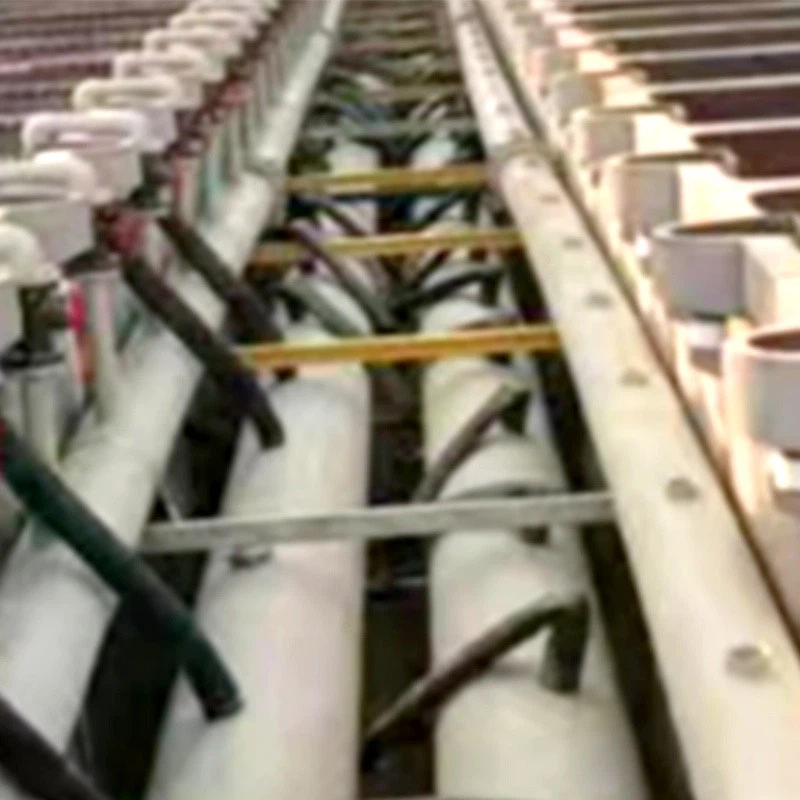
Over time, debris, sediment, and scale can accumulate inside the valve. This buildup can restrict the movement of the valve components, causing it to jam. In industrial settings, especially in systems dealing with water, chemicals, or slurries, this is a frequent issue. For example, in a Piping System for Copper Electrowinning Plant, the presence of minerals and impurities in the electrolyte can lead to significant buildup in the valves.
2. Corrosion
Corrosion is another major culprit. Valves are often exposed to various corrosive substances, whether it's the fluid flowing through the pipe or the surrounding environment. When the valve body or its internal parts corrode, they can become rough, and the moving parts may seize up. This is particularly common in outdoor or coastal installations where the air contains salt and moisture.
3. Mechanical Damage
Physical damage to the valve can also cause it to jam. This could be due to improper installation, excessive force during operation, or external impacts. For instance, if a valve is installed with misaligned flanges, it can put stress on the valve stem and prevent it from moving smoothly.
4. Improper Lubrication
Valves with moving parts, such as gate valves or ball valves, require proper lubrication to function correctly. If the lubricant dries out, becomes contaminated, or is not applied in the right quantity, the valve may start to jam.
Initial Checks and Precautions
Before attempting to fix a jammed valve, there are some initial checks and precautions you should take:
1. Isolate the System
If possible, shut off the flow of fluid through the pipe. This will prevent any potential leaks or spills during the repair process. In an industrial setting, this may involve closing other valves in the system or shutting down the entire process.
2. Check for Pressure
Use a pressure gauge to check if there is any pressure in the pipe. If there is significant pressure, release it slowly and safely before proceeding. High-pressure situations can be extremely dangerous and may cause the valve to malfunction further if not handled properly.
3. Inspect the Valve Visually
Look for any obvious signs of damage, such as cracks, dents, or loose parts. Check the valve stem for any signs of corrosion or misalignment. This initial inspection can give you an idea of the severity of the problem.
Methods to Unjam a Valve
1. Gentle Tapping
Sometimes, a simple tap on the valve body can dislodge minor debris or free up a stuck component. Use a soft - faced hammer or a rubber mallet to gently tap around the valve body. Start with light taps and gradually increase the force if necessary. However, be careful not to damage the valve with excessive force.
2. Apply Lubricant
If the jam is due to lack of lubrication, applying a suitable lubricant can often solve the problem. For valves with a stem, you can apply the lubricant around the stem packing. For ball valves or other types with internal moving parts, you may need to use a lubricant injector to reach the internal components. Make sure to use a lubricant that is compatible with the fluid in the pipe and the valve material.
3. Use a Wrench or Pliers
If the valve is jammed due to a small amount of resistance, you can try using a wrench or pliers to turn the valve stem. However, be very careful not to apply too much force, as this can cause further damage. Start with a small amount of torque and gradually increase it if the valve doesn't move. If the valve starts to turn, continue turning it slowly in both directions to ensure smooth operation.
4. Chemical Cleaning
In cases where the jam is caused by debris or scale buildup, chemical cleaning may be an option. You can use a suitable cleaning agent that is compatible with the valve material and the fluid in the pipe. Follow the manufacturer's instructions carefully when using chemical cleaners. Immerse the valve in the cleaning solution or flush the solution through the valve if possible. After cleaning, make sure to rinse the valve thoroughly to remove any remaining chemicals.
5. Disassembly and Repair
If the above methods don't work, you may need to disassemble the valve for a more thorough inspection and repair. However, this should only be done by a trained professional, especially in industrial applications. When disassembling the valve, keep track of all the parts and their positions. Clean each part carefully, remove any corrosion or debris, and replace any damaged components. Make sure to reassemble the valve correctly, following the manufacturer's instructions.
Preventive Measures
To avoid valve jams in the future, here are some preventive measures you can take:
1. Regular Maintenance
Implement a regular maintenance schedule for your valves. This includes visual inspections, lubrication, and cleaning. Regular maintenance can help detect and address potential issues before they become major problems.
2. Use High - Quality Valves
Invest in high - quality valves from a reputable supplier. Our Pipe With Valve products are designed to be durable and reliable, with high - quality materials and precise manufacturing processes. High - quality valves are less likely to jam and will have a longer service life.
3. Filter the Fluid
Install filters in the pipe system to remove debris and sediment before they reach the valves. This can significantly reduce the risk of valve jams caused by buildup.
4. Proper Installation
Ensure that valves are installed correctly, following the manufacturer's instructions. This includes proper alignment, correct torque on flanges and bolts, and appropriate support for the pipe.
When to Seek Professional Help
While some minor valve jams can be fixed with the methods described above, there are situations where you should seek professional help:
1. Complex Valves
Some valves, such as those used in Automatic Control Piping System, are highly complex and require specialized knowledge and tools for repair. If you're not familiar with these types of valves, it's best to call in a professional.

2. High - Pressure Systems
In high - pressure systems, any repair work can be extremely dangerous. A professional technician has the expertise and equipment to handle these situations safely.
3. Severe Damage
If the valve is severely damaged or corroded, it may need to be replaced rather than repaired. A professional can assess the situation and recommend the best course of action.
Conclusion
Handling a jammed valve on a pipe requires a systematic approach, starting with understanding the causes and taking appropriate precautions. By following the methods outlined in this blog, you can often unjam a valve and get your system back up and running. However, prevention is always better than cure, so implementing regular maintenance and using high - quality valves are essential steps.
If you're facing valve - related issues or are in the market for reliable Pipe With Valve products, we're here to help. Our team of experts can provide you with the right solutions and advice for your specific needs. Contact us to start a procurement discussion and find the best valves for your piping system.
References
- Valve Handbook, various editions
- Piping Engineering Standards and Guidelines
- Manufacturer's manuals for different valve types