

Hey there! As a cathode plate supplier, I often get asked about the lifespan of a cathode plate. It's a crucial question because the lifespan directly impacts the efficiency and cost - effectiveness of your operations. So, let's dive right into it and explore what factors influence the lifespan of a cathode plate.
What is a Cathode Plate?
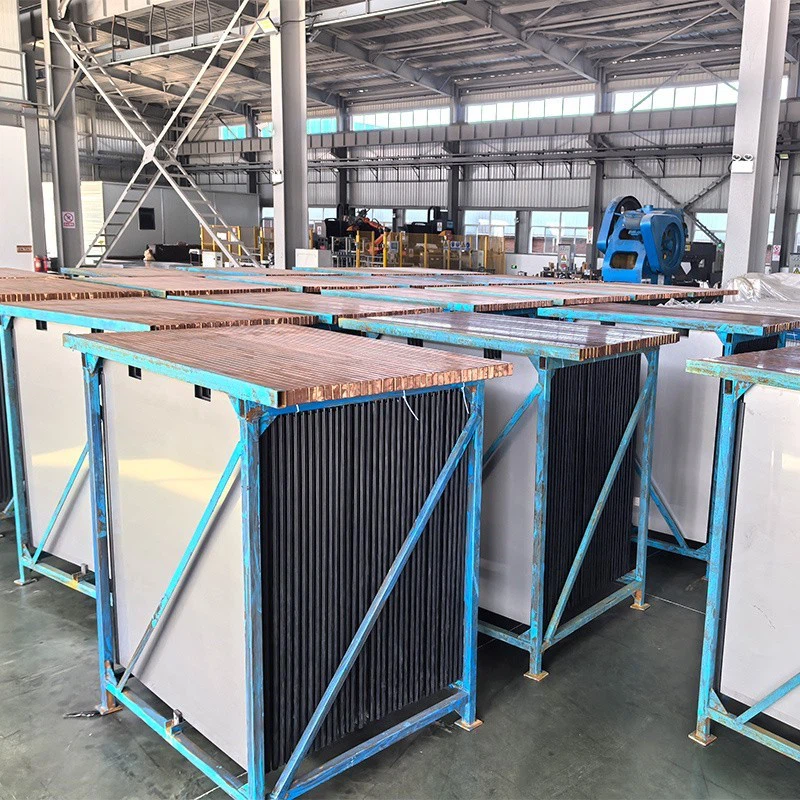
Before we talk about its lifespan, let's quickly go over what a cathode plate is. In simple terms, a cathode plate is an essential component in electrochemical processes, like electrorefining and electrowinning. It serves as the negative electrode where metal ions in a solution are reduced and deposited as pure metal. There are different types of cathode plates, such as Stainless Steel Cathode, Permanent Cathode, and Titanium Cathode, each with its own unique properties and applications.
Factors Affecting the Lifespan of a Cathode Plate
1. Material Quality
The quality of the material used to make the cathode plate is a major factor. High - grade materials are more resistant to corrosion, wear, and chemical reactions. For example, a stainless - steel cathode plate made from premium stainless - steel alloys will generally last longer than one made from lower - quality steel. These high - quality materials can withstand harsh chemical environments in electrochemical cells without significant degradation.
2. Operating Conditions
The conditions under which the cathode plate operates play a huge role in its lifespan. Temperature, for instance, can have a big impact. If the temperature in the electrochemical cell is too high, it can accelerate corrosion and chemical reactions on the surface of the cathode plate. Similarly, the concentration of the electrolyte solution matters. A highly concentrated electrolyte can be more corrosive, reducing the lifespan of the plate. The current density also affects the plate. High current densities can cause more rapid deposition of metal on the plate, which might lead to uneven growth and eventually damage the plate.
3. Maintenance and Cleaning
Regular maintenance and proper cleaning can significantly extend the lifespan of a cathode plate. Over time, impurities can build up on the surface of the plate, which can interfere with the electrochemical process and cause corrosion. By cleaning the plate at appropriate intervals, you can remove these impurities and prevent damage. Also, inspecting the plate for any signs of wear or damage and replacing it when necessary can keep your operations running smoothly.
4. Type of Electrochemical Process
Different electrochemical processes have different impacts on the cathode plate. For example, in electrorefining, the cathode plate is mainly used to deposit pure metal from an impure source. The process is relatively gentle compared to electrowinning, where the plate is used to extract metal from a solution. In electrowinning, the plate is exposed to more aggressive chemical reactions, which can reduce its lifespan.
Typical Lifespans of Different Cathode Plates
Stainless Steel Cathode
Stainless - steel cathode plates are known for their durability. Under normal operating conditions, a well - maintained stainless - steel cathode plate can last anywhere from 1 to 5 years. However, if the operating conditions are harsh, such as in a highly acidic electrolyte or at high temperatures, the lifespan might be reduced to a few months.
Permanent Cathode
Permanent cathode plates are designed to be reused multiple times. With proper care and maintenance, they can have a lifespan of several years. These plates are often made from materials that are highly resistant to corrosion and wear, which allows them to withstand repeated use in electrochemical processes. But again, if the operating conditions are not ideal, their lifespan can be shortened.
Titanium Cathode
Titanium cathode plates are highly resistant to corrosion, making them suitable for use in very aggressive chemical environments. In normal conditions, a titanium cathode plate can last 3 to 7 years. Their resistance to corrosion is due to the formation of a thin, protective oxide layer on the surface of the titanium, which prevents further corrosion.
Extending the Lifespan of Cathode Plates
Optimize Operating Conditions
Try to keep the temperature, electrolyte concentration, and current density within the recommended ranges. This can reduce the stress on the cathode plate and slow down the rate of degradation. You can use temperature - control systems to maintain a stable temperature in the electrochemical cell and adjust the electrolyte concentration as needed.
Use High - Quality Materials
Invest in high - quality cathode plates from reliable suppliers. While they might cost more upfront, they will save you money in the long run by lasting longer and requiring less frequent replacement.
Implement a Maintenance Schedule
Create a regular maintenance schedule for your cathode plates. This should include cleaning, inspection, and any necessary repairs. By staying on top of maintenance, you can catch any issues early and prevent them from becoming major problems.
Conclusion
The lifespan of a cathode plate depends on a variety of factors, including material quality, operating conditions, maintenance, and the type of electrochemical process. As a cathode plate supplier, I understand the importance of providing high - quality products and helping my customers get the most out of them. By choosing the right type of cathode plate, optimizing operating conditions, and maintaining the plate properly, you can ensure that it lasts as long as possible.
If you're in the market for cathode plates or have any questions about their lifespan and performance, don't hesitate to reach out. We're here to help you make the best choices for your electrochemical processes and get the most value from your investment.
References
- Electrochemical Engineering textbooks
- Industry reports on cathode plate performance
- Research papers on corrosion and material science in electrochemical applications


