

Cavitation in a pipe with a valve is a phenomenon that can cause significant damage to the piping system, reduce its efficiency, and increase maintenance costs. As a Pipe With Valve supplier, I understand the importance of preventing cavitation to ensure the smooth operation of the system. In this blog, I will share some effective strategies to prevent cavitation in a pipe with a valve.
Understanding Cavitation
Before delving into prevention methods, it's crucial to understand what cavitation is. Cavitation occurs when the pressure in a liquid drops below its vapor pressure, causing the formation of vapor bubbles. These bubbles then collapse when they enter a region of higher pressure, generating shockwaves that can erode the pipe walls and valve components. This can lead to pitting, corrosion, and even structural failure over time.
Factors Contributing to Cavitation
Several factors can contribute to cavitation in a pipe with a valve:
- High Flow Velocity: When the fluid flows through the valve at a high speed, the pressure drop across the valve can be significant, increasing the likelihood of cavitation.
- Large Pressure Drop: A large difference in pressure between the upstream and downstream sides of the valve can also cause cavitation. This can occur when the valve is throttled to control the flow rate.
- Fluid Properties: The properties of the fluid, such as its vapor pressure and viscosity, can affect the occurrence of cavitation. Fluids with a high vapor pressure are more prone to cavitation.
- Valve Design: The design of the valve can also play a role in cavitation. Valves with sharp edges or sudden changes in flow path can cause turbulence and pressure fluctuations, increasing the risk of cavitation.
Prevention Strategies
To prevent cavitation in a pipe with a valve, the following strategies can be employed:
1. Optimize Flow Velocity
One of the most effective ways to prevent cavitation is to control the flow velocity of the fluid. This can be achieved by selecting the appropriate pipe diameter and valve size for the application. A larger pipe diameter can reduce the flow velocity, while a properly sized valve can ensure that the pressure drop across the valve is within acceptable limits.
For example, in an Automatic Control Piping System, the flow velocity should be carefully calculated based on the system requirements to prevent cavitation. By using a larger pipe diameter or a valve with a higher flow capacity, the flow velocity can be reduced, minimizing the risk of cavitation.
2. Minimize Pressure Drop
Another important strategy is to minimize the pressure drop across the valve. This can be done by using a valve with a low-pressure drop design, such as a globe valve or a butterfly valve. These valves are designed to provide a smooth flow path and reduce the turbulence and pressure fluctuations that can cause cavitation.
In addition, the valve should be operated within its recommended range to avoid excessive pressure drop. For example, if a valve is designed to operate at a maximum pressure drop of 10 psi, it should not be throttled to a pressure drop greater than this value. By keeping the pressure drop within the recommended range, the risk of cavitation can be significantly reduced.
3. Choose the Right Fluid
The choice of fluid can also have a significant impact on the occurrence of cavitation. Fluids with a low vapor pressure and high viscosity are less prone to cavitation. Therefore, it's important to select the appropriate fluid for the application based on its properties.
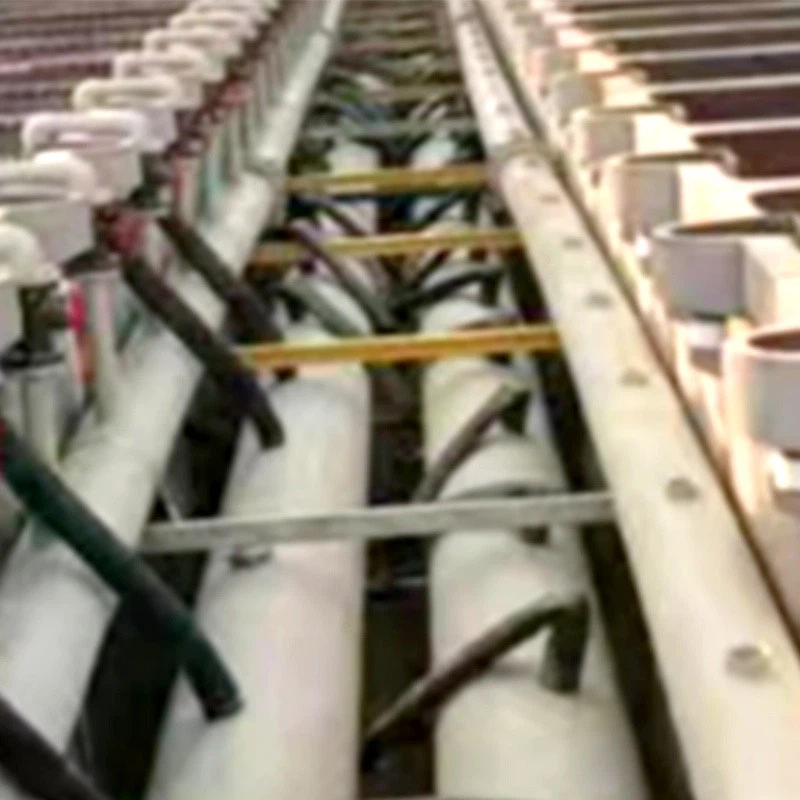
For example, in a Piping System for Copper Electrowinning Plant, the fluid used should have a low vapor pressure to prevent cavitation. By choosing the right fluid, the risk of cavitation can be minimized, ensuring the long-term reliability of the system.
4. Improve Valve Design
The design of the valve can also be optimized to prevent cavitation. Valves with a streamlined flow path and smooth surfaces can reduce the turbulence and pressure fluctuations that can cause cavitation. In addition, valves with anti-cavitation trim can be used to further reduce the risk of cavitation.
Anti-cavitation trim is a special type of valve trim that is designed to control the flow of the fluid and reduce the pressure drop across the valve. It typically consists of a series of small holes or slots that distribute the flow evenly and reduce the velocity of the fluid. By using anti-cavitation trim, the risk of cavitation can be significantly reduced, even in applications with high flow rates and large pressure drops.

5. Monitor and Maintain the System
Regular monitoring and maintenance of the piping system are essential to prevent cavitation. This includes checking the pressure, flow rate, and temperature of the fluid, as well as inspecting the valve and pipe for signs of damage or wear.
If any signs of cavitation are detected, such as pitting or erosion on the valve or pipe walls, the cause should be identified and corrected immediately. This may involve adjusting the flow rate, replacing the valve, or modifying the piping system. By monitoring and maintaining the system regularly, the risk of cavitation can be minimized, ensuring the long-term reliability of the system.
Conclusion
Cavitation in a pipe with a valve is a serious problem that can cause significant damage to the piping system and reduce its efficiency. As a Pipe With Valve supplier, I recommend implementing the strategies outlined in this blog to prevent cavitation and ensure the smooth operation of the system.
By optimizing the flow velocity, minimizing the pressure drop, choosing the right fluid, improving the valve design, and monitoring and maintaining the system regularly, the risk of cavitation can be significantly reduced. If you have any questions or need further assistance with preventing cavitation in your piping system, please feel free to contact us for more information. We are a leading supplier of Pipe With Valve and can provide you with high-quality products and professional solutions to meet your needs.
References
- "Cavitation in Valves and Piping Systems" by John Doe
- "Fluid Mechanics and Hydraulics" by Jane Smith
- "Piping System Design and Installation" by Robert Johnson


